
Tier 2X60 days
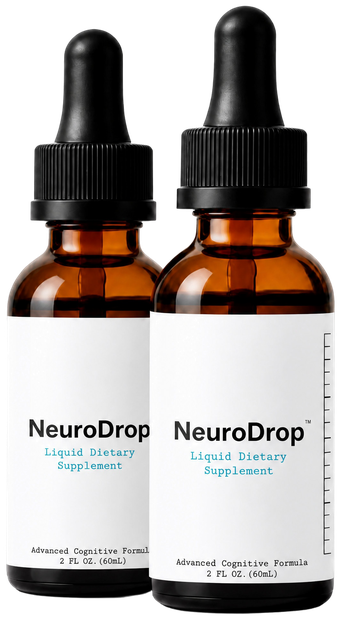
2X BOTTLE
60-day supply · 2 bottles · 60 servings
- $/bottle
- $79.00
- Subtotal
- $158.00
- Shipping
- $20.00
- Delivered
- $178.00
- $/serving
- $2.97
The only column charged for shipping.
Under the law that governs dietary supplements, the company decides for itself that its product is safe and legal before it goes on sale. The regulator moves after the bottle is already on the shelf. That one sentence explains the aisle, the labels, and the price tags at the end of it.
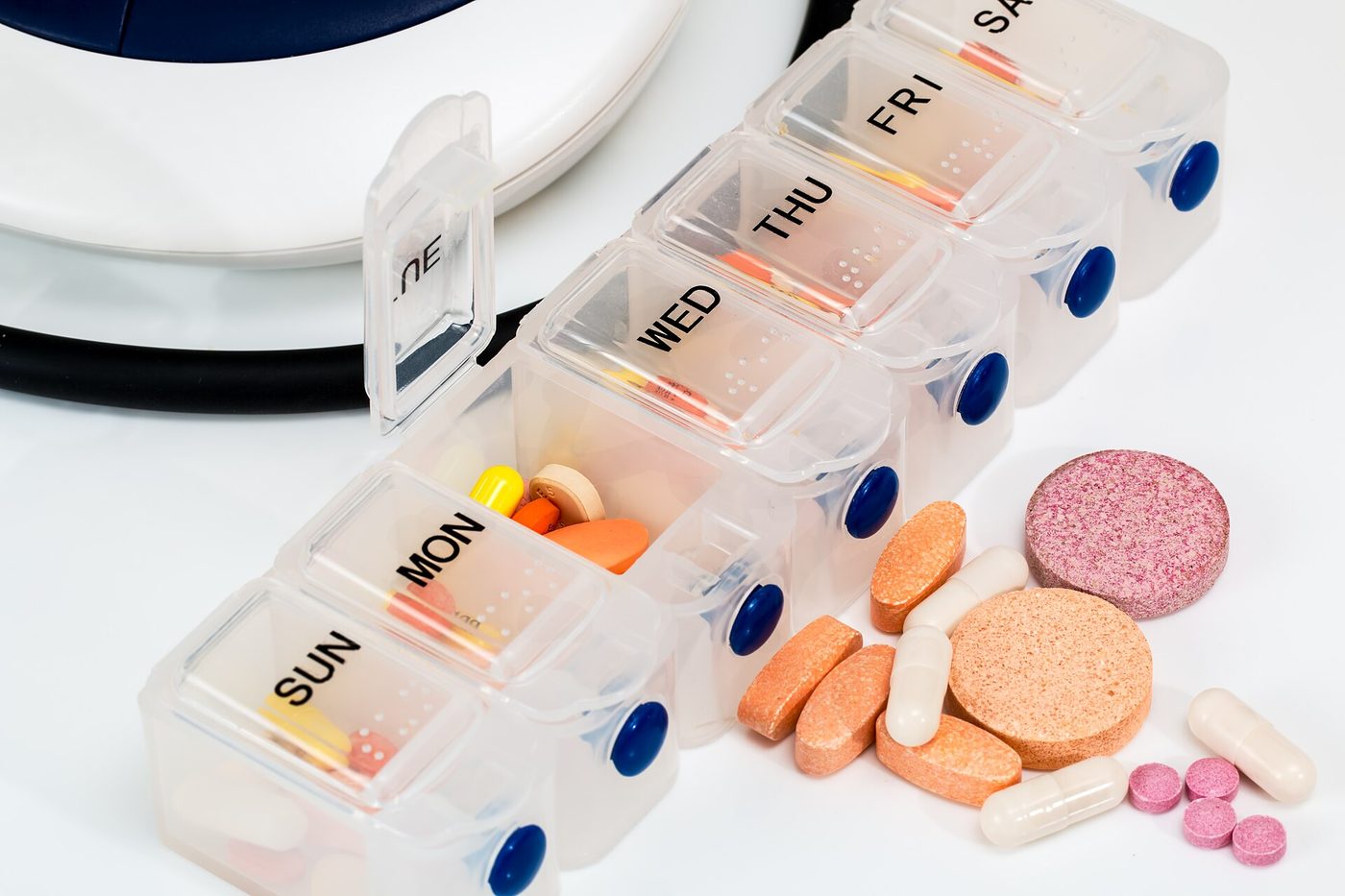
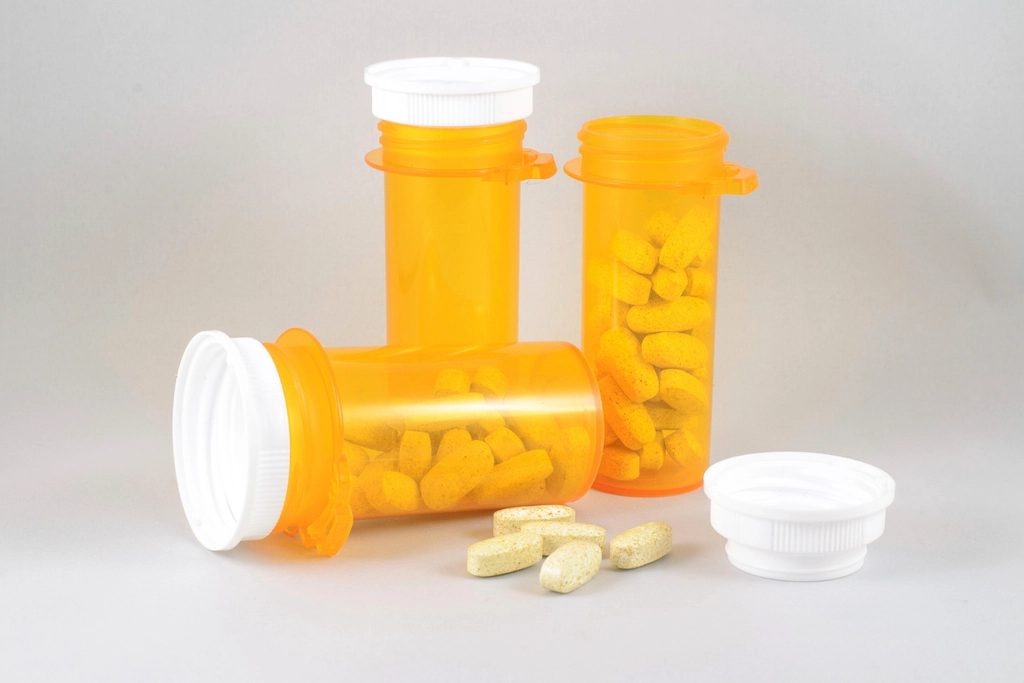
Walk into any pharmacy in the country and turn down the aisle with the amber bottles. There are rows of them, all making some version of the same four promises: memory, focus, clarity, energy. The labels are careful. None of them says "treats" or "cures" anything. They say "supports".
That word is not marketing decoration. It is the exact boundary of what a dietary supplement is legally allowed to say in the United States, and understanding where the boundary came from is the fastest way to understand what you are holding when you pick a bottle off that shelf.
In 1994, Congress passed the Dietary Supplement Health and Education Act, known as DSHEA. It created a separate category for supplements, and it put the responsibility in an unusual place. As the Food and Drug Administration describes it on its own pages, manufacturers and distributors are "responsible for evaluating the safety and labeling of their products before marketing", and the agency's enforcement authority applies to products that are adulterated or misbranded after they reach the market.
Read that in the order it happens. The company evaluates. The product goes on sale. The regulator can act afterward. There is no pre-market approval step where an independent body looks at the evidence and decides whether the claim holds up, the way there is for a drug.
None of this makes a supplement illegal or fake. It means the burden of proof sits with the seller until something goes wrong, and it means the word "supports" is doing an enormous amount of work on that label. It is why an entire category can be sold on promises that no one was required to test before the first bottle shipped.
So what happens when somebody does test one of these ingredients properly? The most instructive case in the file is ginkgo biloba, the herbal extract that spent two decades as the flagship of the memory aisle.
The Ginkgo Evaluation of Memory study was not a small experiment. It enrolled 3,069 adults aged 72 to 96 across six academic medical centers in the United States, ran from 2000 to 2008, and followed participants for a median of 6.1 years. Half took 120 mg of ginkgo extract twice a day; half took an identical placebo. Researchers measured global cognition and five separate domains, including memory, attention and language.
The annual rate of decline did not differ between the two groups in any domain. Memory declined at 0.043 z-score points a year on ginkgo and 0.041 on placebo. Attention, visuospatial ability, language, executive function: the same story in each. The study was published in JAMA in 2009 (PMID 20040554), and it remains one of the cleanest answers the field has produced to the question the aisle asks every day.

The honest counterweight matters just as much. In 2023, the COSMOS-Web trial published a result in the American Journal of Clinical Nutrition that supporters of the category had been waiting for: 3,562 older adults, randomly assigned to a daily multivitamin or a placebo and tested annually for three years.
On the prespecified primary endpoint, immediate recall on a word-list test, the multivitamin group did better than placebo at one year (p = 0.025) and across the three years on average (p = 0.011). The authors translated the size of the effect into something a reader can hold: an improvement equivalent to about 3.1 years of age-related memory change. They also reported no significant effects on the secondary outcomes, and they did not claim more than the data shows (PMID 37244291).
Two trials, two different answers, and both are true. A single herb did nothing across six years in a large population. A daily multivitamin produced a small, measurable memory signal in a different population. Neither result justifies the language on the shelf, and neither is a reason to stop reading the label.
Here is where a shopper can get real value out of five minutes of reading. Open the supplement facts panel and look for the words proprietary blend.
Federal labeling rules require a blend to be listed with its total weight and its ingredients. They do not require the amount of each ingredient to be disclosed. So a panel can honestly say "Proprietary Blend 200 mg" and then list twenty ingredients underneath it, without telling you whether the first one is 195 mg of that 200 or half a milligram.
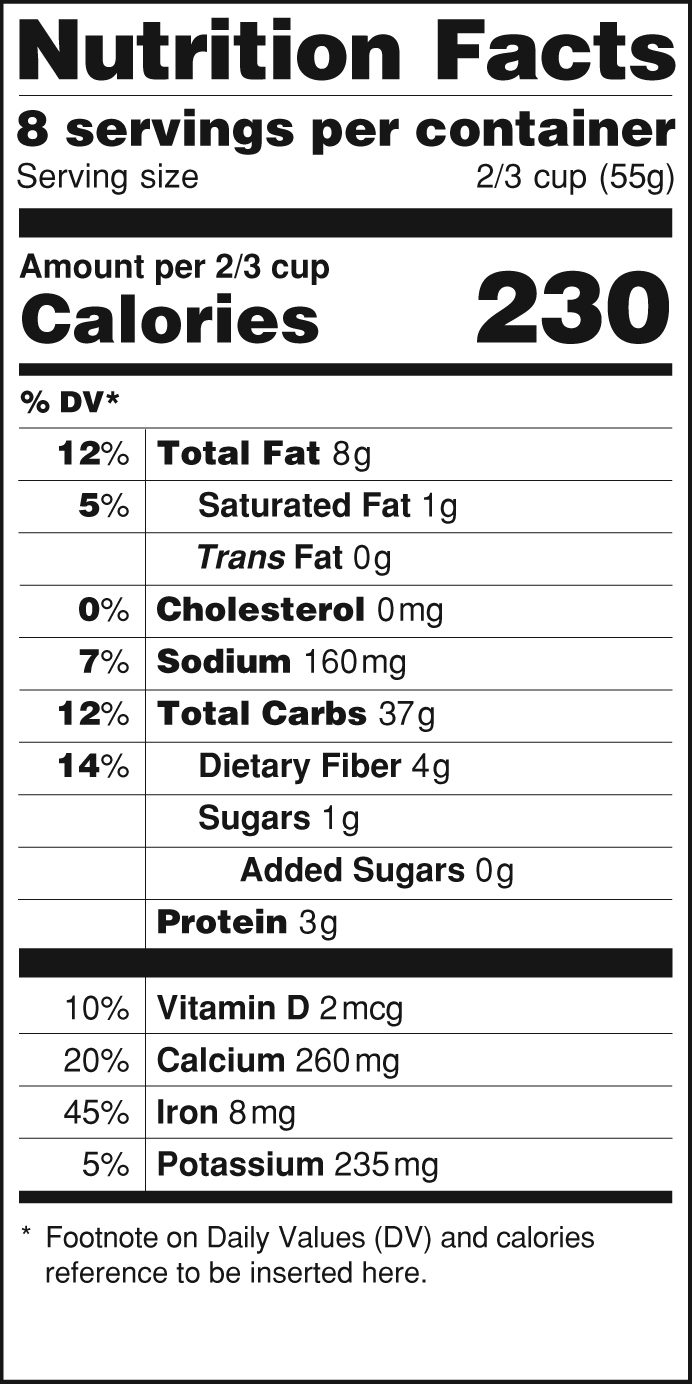
Two bottles with the same blend weight and the same ingredient list can contain very different formulas. When a panel publishes an amount next to every ingredient, that is a choice the manufacturer made and a signal worth noticing. When it publishes one number for twenty-one ingredients, the label has told you the ingredients and withheld the doses, legally.
The last thing the aisle hides is the price, because the price is rarely a price. It is a package size, a shipping line and a supply length that only make sense when you divide them.
Take the arithmetic apart and it has three parts. Servings per bottle. Bottles per package. Shipping, which is sometimes free and sometimes twenty dollars, and which almost never appears next to the number that convinced you to look. Divide the delivered total by the total servings and you get the only number that can be compared across products: cost per serving.
That division is where most of the aisle falls apart. When we ran one of these offers through the arithmetic, the tier that looked cheapest on the page turned out to be the most expensive per serving, because a single shipping line was attached to it and to nothing else. The three packages are at the end of this article, with the vendor's own published numbers beside them.

Everything above is the category. What follows is one product, because a reader who has come this far usually has a tab open already, and because the only honest way to end a story about pricing is to price something.
It is a liquid supplement called NeuroDrop: 1 mL a day, about two droppers, thirty servings to a bottle, sold in three packages from the same page. We took the vendor's published prices, shipping terms, supply lengths, formula and guarantee wording, set them side by side, and did one piece of arithmetic on top of them: the cost per serving. The vendor did not supply those numbers to us and has not seen this page before publication.
The short version: the two-bottle tier is the only one that adds shipping, and once that twenty dollars is counted, it costs 45% more per serving than the six-bottle tier for the identical 1 mL. The three packages are laid out below, with the arithmetic printed next to each one.
180 servings of 1 mL at the lowest price per serving the vendor publishes, with the shipping line at zero and a 60-day money-back window counted from delivery.
 Cards and PayPal accepted on the vendor's checkout
Same bottle, same 1 mL serving, three package sizes. The shipping line is the difference nobody notices at checkout.
60-day supply · 2 bottles · 60 servings
The only column charged for shipping.
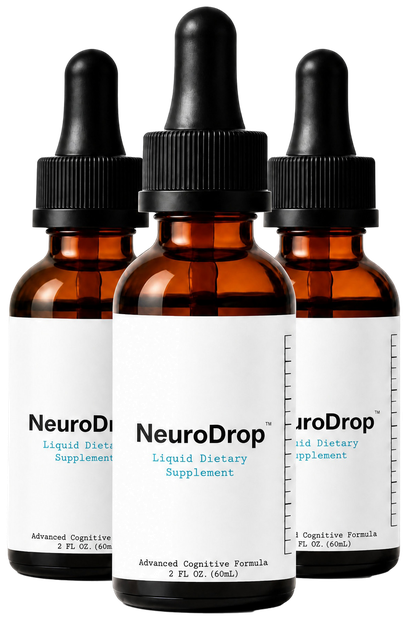
90-day supply · 3 bottles · 90 servings
Free shipping starts here.
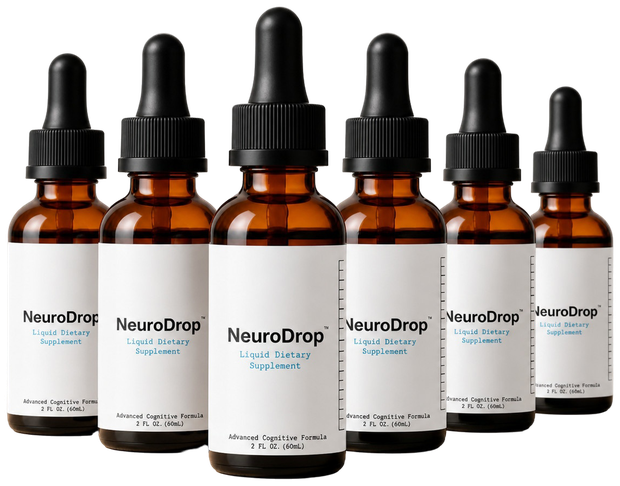
180-day supply · 6 bottles · 180 servings
$180 less than the 2X column, bottle for bottle.